News
Updates from Seitec
Program milestones, contract wins and team news from across CORE, AIR and STRIKE.
$4M Seed B round
Seitec's Seed B round provides a $4M capital injection.
Special Forces begin CORE testing
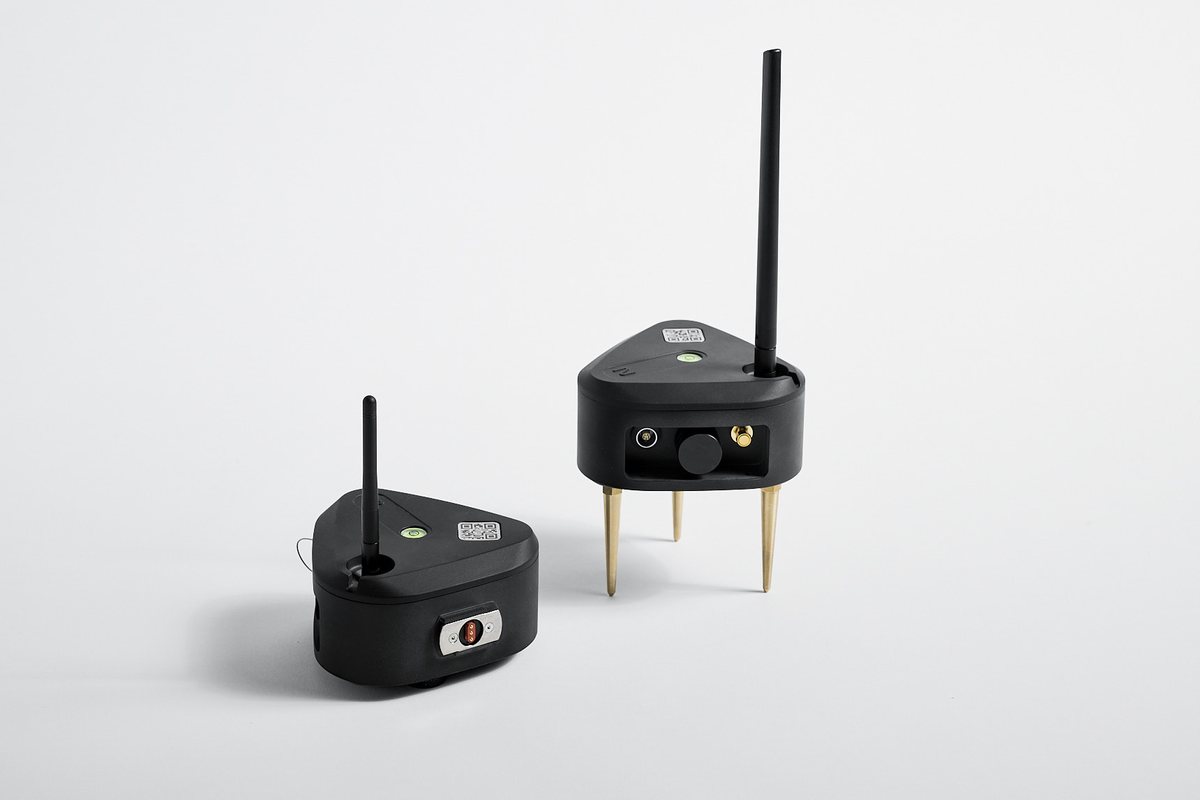
International Special Forces begin testing the Nightingale CORE capability. Alongside this milestone, Seitec introduces its second-generation sensor node - more than 50% lighter and drawing just 30% of the power of its predecessor. This is the model that will go into scaled production, built on a highly customisable, software-defined infrastructure.
USAF begins STRIKE testing
The United States Air Force begins testing the Nightingale STRIKE capability.
CORE detects drones - and aircraft
Field testing proves Nightingale CORE can detect drones from 3" to 16" in size. During testing, the system is also found to detect aircraft - a happy accident that kicks off aircraft-detection research.
STRIKE strikes again
A guidance failure during a bomb deployment leads to a lost weapon. Forensic analysis of the seismic data localises the impact to a dense, hard-to-access area of vegetation on the range. EOD teams are given the location and find the impact site that same afternoon, once bombing operations wrap up.
$1.2M CASG T&E contract
The Capability Acquisition and Sustainment Group awards Seitec a $1.2M Test and Evaluation contract for Nightingale STRIKE, verifying the capability against a set of requirements and performance measures in live bombing conditions.
Nightingale CORE is born
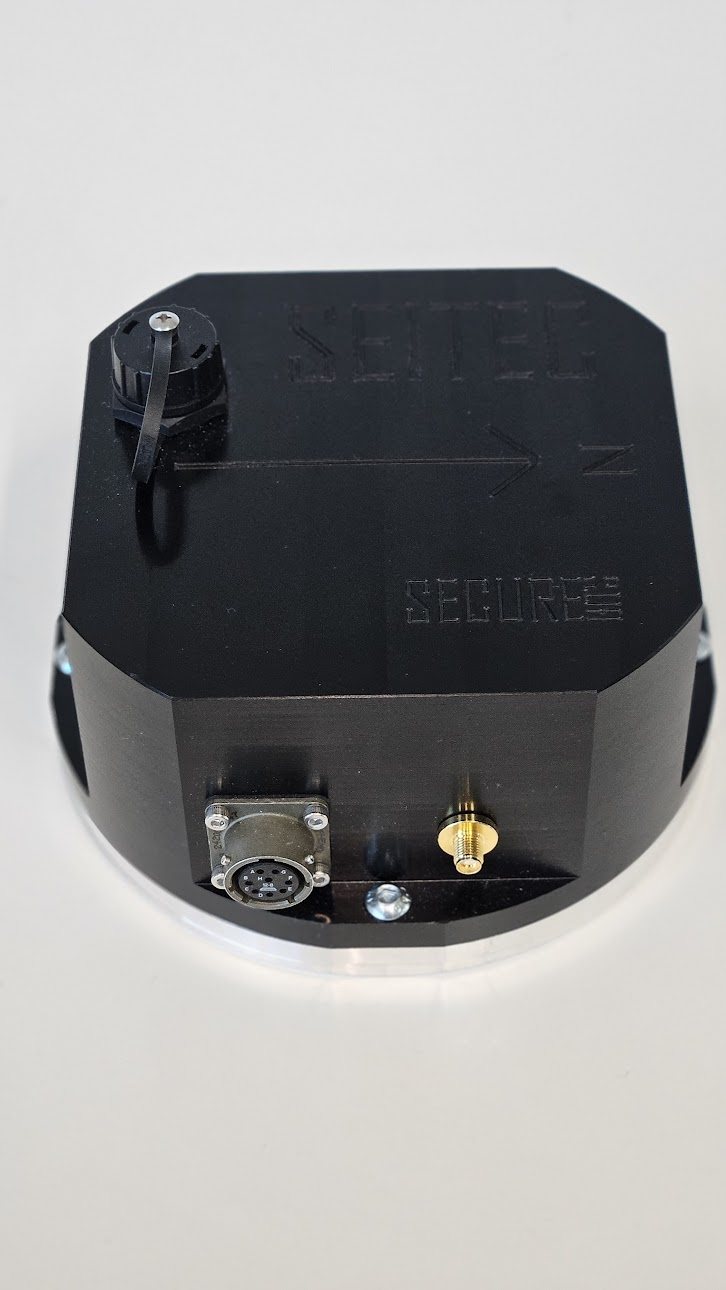
Footstep detection, developed alongside STRIKE, becomes Nightingale CORE. During testing, the system is found to also detect drones - research into that capability begins. Alongside this, the team unveils its next-generation prototype - at half the weight and a fraction of the power draw of the original hardware.
STRIKE proves itself live
During a live demonstration, a bomb fails to hit the target and range cameras miss the impact point. Nightingale localises the impact within a 20m radius - EOD teams find the impact hole within five minutes of arriving at the site the system defined.
Initial testing goes off with a bang!
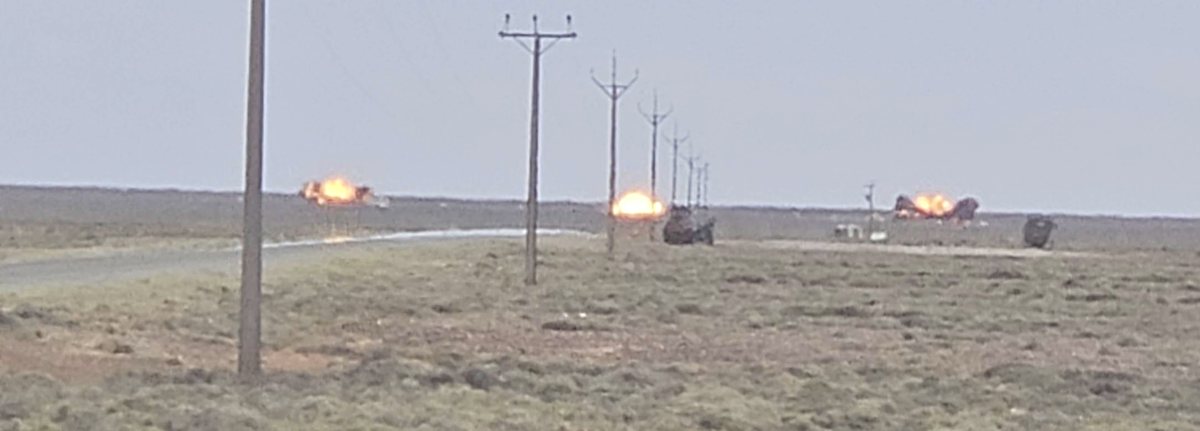
The team visits the Woomera Test Range to conduct its first body of research and testing, alongside the demolition of a large number of 500lb, 1000lb and 2000lb bombs. Pictured here is one test of three simultaneous explosions, used to test the system's ability to delineate and localise multiple impacts at once - which it does successfully.
First fieldable prototype
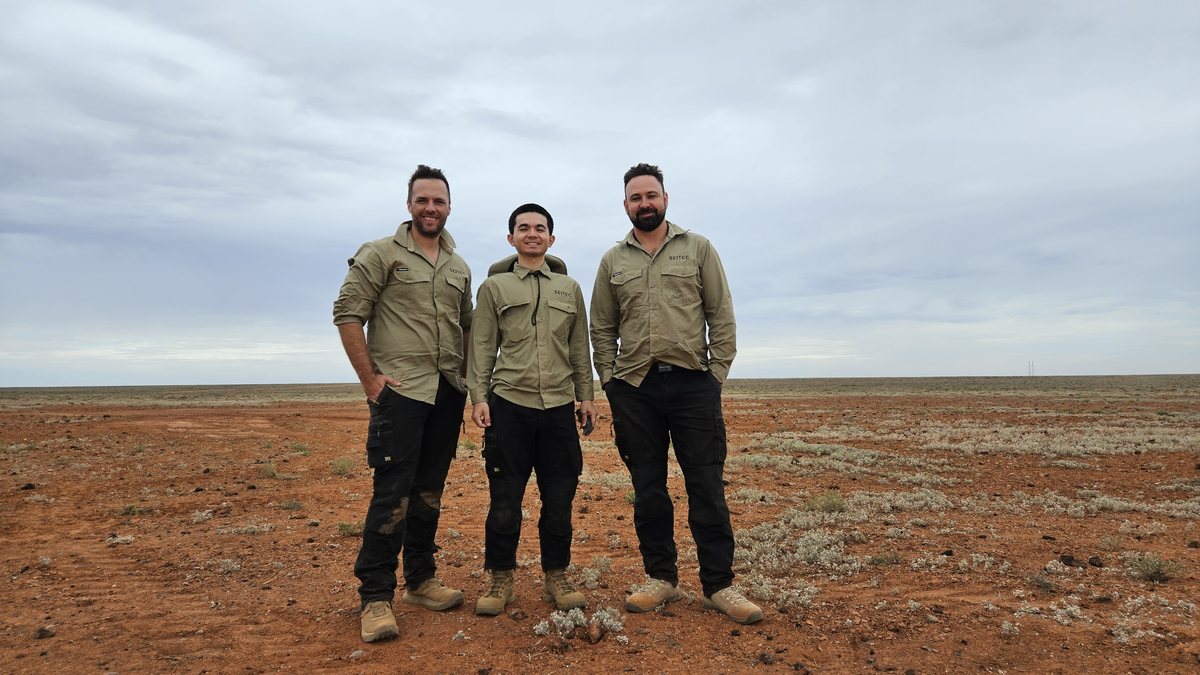
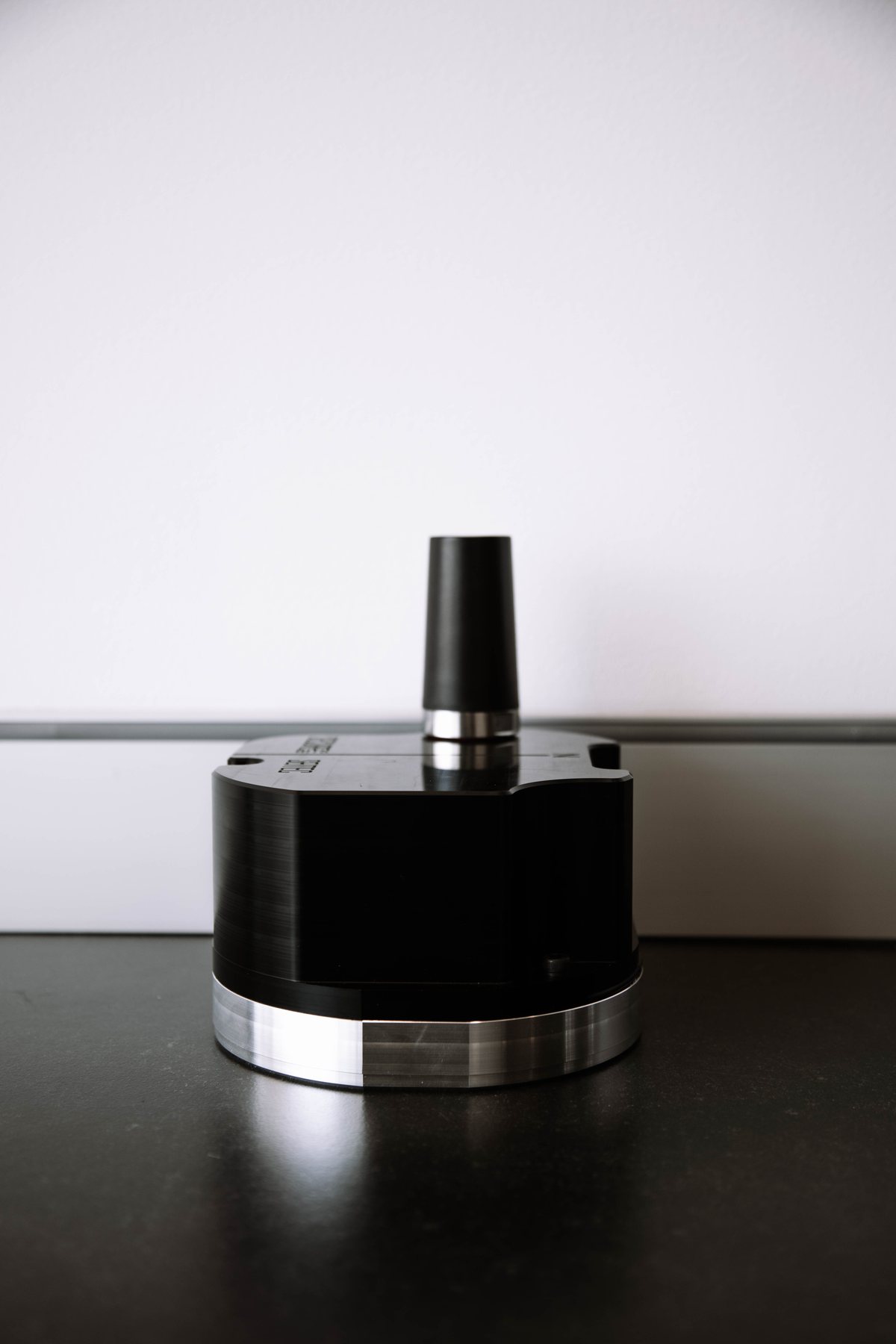
The first fieldable prototype is complete and ready for testing - marking the first translation of the technology toward a scalable and commercial product.
$4.2M development contract
The Advanced Strategic Capabilities Accelerator awards Seitec a $4.2M development contract, taking Nightingale STRIKE from TRL 5 to TRL 7. Alongside a much-needed non-dilutive capital injection, the contract brings unprecedented access to Australian Defence Force weapons ranges and seismic/acoustic data sets from military aircraft bomb impacts.
Seed round & first hire
Sydney Angels lead a seed round bringing in $600K. This injection of capital enables the hiring of Seitec's first key hire, Bevan Fairleigh, CTO.
First funding
Seitec raises its first SAFE funding from early supporters.
Seitec is founded
Seitec is founded.